Testimonials
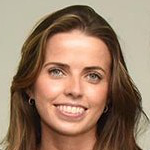
My name is Aoife Smyth, and I’m a third-year Ophthalmology Specialist registrar at the Royal Victoria Eye and Ear Hospital in Dublin.
My initial interest in ophthalmology came from my mum, who worked as a nurse on an ophthalmology ward. I remember visiting her at work, hearing her stories and seeing how much she enjoyed the specialty. There always seemed to be a great sense of collegiality among the team, which really stood out to me.
Exposure to ophthalmology during medical school is quite limited, so I arranged an elective to get a better feel for the specialty. The trainees and consultants were always happy to teach, were genuinely passionate about ophthalmology and importantly, seemed to really enjoyed their work.
I became fascinated by the intricacy and precision of the surgery and by how much of a difference even a relatively small intervention can make to someone’s vision, independence and quality of life. I gained more exposure during internship when I completed an ophthalmology rotation and joined clinics and theatre sessions whenever possible. This confirmed that it was the right specialty for me.
A typical day begins with a walk to work and a coffee, followed by reviewing any inpatients before clinic starts. The day varies depending on the subspecialty. I’m currently working on a glaucoma team, so mornings are usually spent assessing and managing patients in clinic. Afternoons may involve glaucoma theatre, including filtration surgery with the consultant, as well as cataract surgery. I also get the opportunity to teach junior trainees different steps of cataract surgery, which is particularly rewarding.
Ophthalmology is also a very practical and hands-on specialty. When starting as an SHO, everything is unfamiliar and can be overwhelming – slit lamp, lenses and new procedures. However, it is very satisfying to see yourself gradually becoming competent in all of these skills from examination to lasers, injections and surgery.
The most rewarding part of the job is the difference you can make to someone’s quality of life and independence by improving or preserving their vision. I also really enjoy how much information can be gained from clinical examination alone. The eye can provide important clues to systemic conditions, and occasionally an ophthalmic finding can be the first sign of an underlying neurological, inflammatory, vascular problem.
Outside of work, I try to keep a good balance. I enjoy going to the gym and Pilates, I love cooking and trying out new restaurants, and I try to travel whenever I get the chance.
For anyone considering a career in ophthalmology, I would recommend learning about the training pathway and application process as early as possible. It is competitive, but if you know what is involved you can start getting organised in advance. There is a lot of useful information on the Irish College of Ophthalmologists website about Basic Specialist Training applications, and the College is also very helpful in putting medical students and junior doctors in touch with trainees or consultants if they want to learn more about the specialty. It is also useful to know early on that medical and surgical ophthalmology are separate training pathways. Getting some direct exposure through electives, clinics, theatre, audit or research, and speaking to people working in both areas, is probably the best way to work out which pathway suits you.
Looking ahead, I’m currently exploring fellowship opportunities abroad to develop my training further. It’s an exciting time to be in ophthalmology because the specialty is changing so quickly, with advances in surgical techniques, treatments and technology. There is always something new to learn, and there is a lot of flexibility to shape your career around the areas you enjoy most, whether that’s subspecialty practice, surgery, research, teaching or a combination of them.
Higher Medical Ophthalmology Trainee
The length of the scheme is obviously fantastic ...it's essentially 5 years and the people who get their CCST are securing really competitive fellowships abroad ...and thinking about my future and the fellowship I'd like to do, it really shows there's going to be so many opportunities when I am a consultant—a huge amount of possible avenues you can go down.
Higher Surgical Ophthalmology Trainee
It’s worth attending national ophthalmology meetings like the ICO annual conference in the summer and their winter meeting. It’s good for networking and letting people know you’re interested in ophthalmology. It’s a small, close knit group, people are generally very happy to help medical students who show an interest
Consultant Medical Ophthalmologist and graduate of ICO Medical Ophthalmology Programme
Yes, there's a good work-life balance and that I think is often one of the draws for people. There is an on-call commitment, but it's generally considered to be not as onerous as you might get in other medical specialties.
Basic Medical Ophthalmology Trainee
A 1 or 2 week period during medical school is a very short time to spend in clinical ophthalmology, and that is why I decided to further expand my exposure to Ophthalmology by organising a clinical elective placement in an Ophthalmology department. This is a crucial step to any medical student who wants to both explore the specialty further and increase their exposure to the various fields in it. Further steps I would recommend are to engage in research projects in the specialty - performing audits and writing research papers helped me to further learn about the field.
Basic Medical Ophthalmology Trainee
I originally heard about the medical ophthalmology scheme in intern year but at that time had my sights set on paediatrics. It was while in paediatrics that I became more interested in the concept of doing paediatric ophthalmology so when I went back and looked at the medical ophthalmology scheme again, I saw that paediatrics fell into that bracket nicely. I started talking to other trainees and organising some shadowing experiences and the more I learned about the scheme, the more I realised it was exactly what I was looking for.
Consultant Medical Ophthalmologist and graduate of ICO Medical Ophthalmology Programme
The training scheme has been wonderful, it's quite a steep learning curve from medical school and quite competitive, but ultimately very rewarding, making a meaningful difference in people's lives, ranging from tiny 24 week old babies to 90-year-olds. It's a very vast specialty where you really get to make an impact,
Basic Surgical Ophthalmology Trainee
It is very varied and diverse, and there are a lot of subspecialties within it, and there’s a huge diverse patient population. You can treat anything from infants and children, middle age to really elderly people and that can all be within the one clinic
Higher Surgical Ophthalmology Trainee
For anyone wanting to do ophthalmology, I would highly recommend applying for an intern rotation in Ophthalmology. It gives you good experience and allows you to meet people
Basic Medical Ophthalmology Trainee
It's a medical job but at the same time you get to do procedures ...you can work in the hospital, the acute setting, the community and you get to be a specialist, it ticked all the boxes..and it's 5 years, there's so much to like about it
Higher Surgical Ophthalmology Trainee
When you’re in your intern year, and before you apply for the ophthalmology training scheme, my advice is to take the part 1 FRCOphth exam.
ICO Programme Director and former Surgical Ophthalmology Trainee
Our advice to anyone who is contemplating applying for either programme is to visit the ICO website and dedicated Training section where you will be able to view the scorecard, application guidance, the checklist and important documents to read about the eligibility criteria for entering the specialist division, as well as the allocation of places and frequently asked questions.